Crusts, Cartons and the Real Cost of Lunch: A Term With the Lunchbox Tally
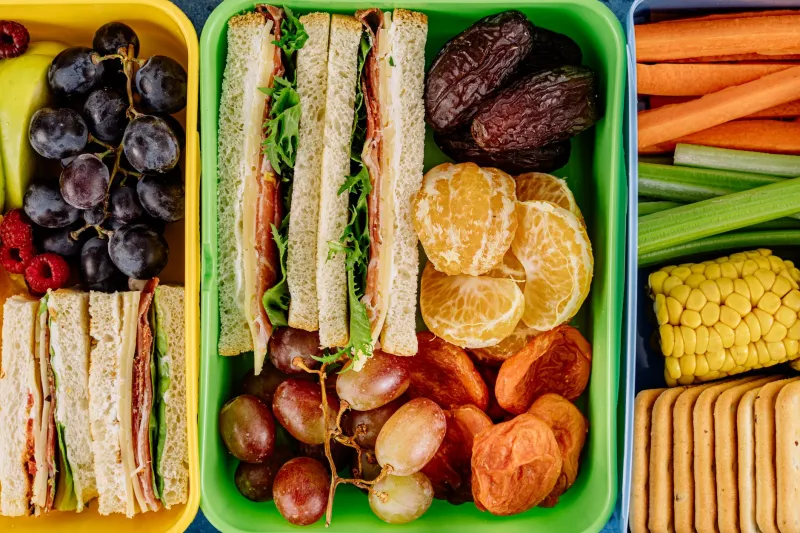
The experiment: one lunchbox, one dinner card, 50 school days
Our test subject was our nine-year-old, a child who will happily eat a cheese sandwich on Monday and then declare sandwiches illegal by Wednesday. We ran the tally from the first week of September 2026 to the start of November, covering 50 school days in the 2026-27 school year. One option was a packed lunch from home. The other was a school dinner paid through the usual online account.
This was not a laboratory. Some mornings were chaotic, one week contained two forgotten lunchboxes, and there was an incident involving a leaky yogurt that I would rather not revisit. But we logged every item on a paper ledger stuck to the fridge. The aim was not to prove that one option is morally superior. It was to see what each choice actually costs a normal UK family.
The school dinner price was £2.80 per day. Our packed lunch cash cost averaged £2.00 per day. On those headline numbers, packed lunches looked like the clear winner. Then we added the extras that rarely make it into the headline price.
The hidden extras that quietly join the bill
A packed lunch is not just bread and filling. Ours usually included a drink, a piece of fruit, something crunchy, a yogurt or cheese, and a small treat. Individually those items look cheap. Together they add up. We also counted the cost of lunchbags, ice packs and the occasional replacement box after a lid cracked.
Waste was the uncomfortable line. Some days half a sandwich came home, warm and unloved. Other days the apple travelled to school and back for the third time that week. We valued wasted food at the price we paid for it, because that is what it cost us. School dinners had less visible waste, although we cannot know exactly what got left on the plate.
Time was the biggest hidden extra. A packed lunch took about 10 minutes of shopping, washing, chopping, packing and clearing up per day. If you put a value of £12 an hour on that time, it adds £2.00. Batch prep can cut it to four or five minutes, but it still exists. School dinner admin was closer to a minute a day, mostly checking the account and topping it up.
Then came the wildcards. Emergency meal deals, forgotten lunchboxes, extra snacks on hungry days and school dinner top-ups when the portion was smaller than expected. One wet Wednesday we bought a £3.50 meal deal because the packed lunch was still on the kitchen counter. That single day wiped out a week of packed-lunch savings.
The lunchbox ledger template we used
| Cost line | Packed lunch | School dinner | Notes | | Main meal or food items | £1.45 | £2.80 | Use your actual shop prices | | Drink | £0.15 | £0.00 | Check what the dinner includes | | Treat or extra | £0.20 | £0.20 | Top-ups count | | Kit and ice packs | £0.05 | £0.00 | Spread the cost across the term | | Wasted food | £0.15 | £0.00 | Honest estimate is fine | | Time at £12 per hour | £2.00 | £0.20 | 10 minutes vs 1 minute | | Cash subtotal without time | £2.00 | £3.00 | The figure most of us compare | | Time-adjusted total | £4.00 | £3.20 | Useful, not gospel |
The exact numbers will be different for your family. The point is the structure. Count the cash first, then add time and waste as separate lines so you can see what is really driving the difference. If you batch prep on a Sunday, reduce the time line. If your child leaves most of the lunchbox, increase the waste line.
What the numbers actually said
On cash alone, packed lunches saved us around £1 per day, or £50 across the 50 days. That is not nothing. It is a decent chunk of a school term. But the saving depended on us actually preparing the lunch, buying sensibly and sending food our child would eat. When we were tired, rushed or out of bread, the gap narrowed fast.
Once we added time at £12 an hour, the packed lunch looked more expensive on paper, at £4.00 compared with £3.20 for a school dinner. That does not mean every parent should abandon the lunchbox. It means the time has a cost, even if it never appears on a receipt. If you enjoy the prep, batch it efficiently or share it with another adult, the time line shrinks.
The child's appetite mattered too. A packed lunch that comes home half-eaten is poor value, no matter how cheap the bread was. A school dinner that gets eaten is doing its job. We also checked free school meal eligibility through our council and school office, because for some families that changes the calculation completely. Rules vary across the UK, so it is worth checking rather than assuming.
A simple decision framework for your family
Start with five questions. What is the actual school dinner price, and what does it include? What does your packed lunch cost per day, including drink, treat, kit and waste? How many minutes does prep really take, and what is that time worth to you? How much food gets thrown away or brought home? And how often do you end up buying an emergency meal deal?
Then try a two-week split rather than deciding for the whole term. One week packed, one week school dinners, with the same ledger. Keep it light. The goal is not a perfect spreadsheet. It is enough evidence to make a choice you can live with on a dark Tuesday morning.
Finally, build in a wildcard budget. Ours was £5 a week for forgotten lunches, extra snacks and the occasional top-up. Without it, every small hiccup felt like a failure. With it, the ledger stayed honest.
When convenience is worth paying for
There is no prize for making every sandwich yourself. If packed lunch prep is stealing sleep, causing morning rows or making you resent the kitchen at 7am, paying for school dinners may be the better household decision. A £1 daily gap is around £190 across a school year, which is real money, but so is your patience.
Equally, if the school dinner queue leaves your child hungry or the menu rarely gets eaten, a packed lunch can be worth the effort. The right answer is the one that fits your child, your timetable and your budget. The ledger is not a judge. It is a flashlight. Use it to see the costs clearly, then choose without guilt.