Four Pounds Fifty for a Card: Counting a Year of Family Greetings Before December

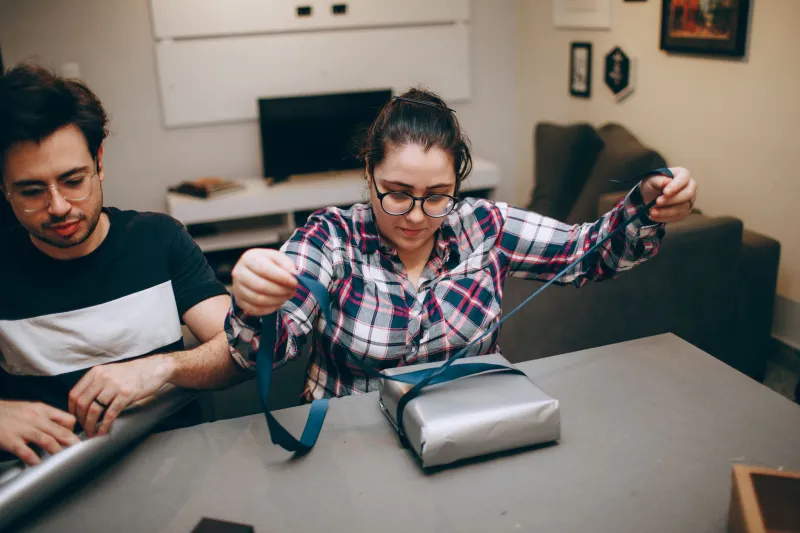
Photo: MrWalkr, CC BY-SA 4.0, via Wikimedia Commons
Last Saturday I stood in a card shop on the high street holding a perfectly ordinary birthday card and watched the till ring up £4.50. Add a first class stamp and I'd spent the best part of six quid on something that would sit on a windowsill for a fortnight and then go in the recycling.
It wasn't the six quid that bothered me. It was the drawer at home, the one that won't quite close, full of cards bought in threes and fours "just in case". We do this maybe a dozen times a year and we have never once added it up. So we did.
Emptying the drawer and counting properly
We gave it one evening, one notebook and three piles: cards we'd sent, cards we'd bought and never sent, and cards we'd received. The kids did the sorting because they're faster than me and because I wanted them to watch the pile grow.
The bank app and a shoebox of receipts did the rest. Over the past twelve months our household sent or handed over 61 cards. The average price worked out at £2.10, which sounds harmless until you multiply it. Cards came to roughly £128. Postage took another £34, because a good chunk went to relatives in Scotland, Devon and one aunt in Portugal. Then there was the school fair bundle — ten cards for £3, of which we used four — and a pack of thank-you notes bought in a panic in January.
Total: somewhere around £170 on cardboard.
The most expensive habit wasn't buying cards. It was buying them late, in a shop, with a child in tow and a party to get to. Nine of those 61 were bought within 48 hours of the event, at an average of £3.60 each. The ones that came out of a multipack cost about 40p a go.
Three things the tally actually showed us
First, panic buying is the whole ballgame. A card pulled from a drawer on a Tuesday afternoon costs pennies. The same card bought on a Saturday morning in a card shop costs four quid and a bit of my dignity.
Second, multipacks only work if you use them. We found 38 blank cards in that drawer, and 22 of them had been sitting there for more than two years. A bargain you never open is just clutter with a receipt.
Third, postage is the second bill nobody budgets for. Stamp prices have a habit of moving in the spring, and if you're posting eight or nine cards in December, the stamps alone are a proper line item.
Setting a 2026 card budget we can actually keep
We've given ourselves £50 for the whole of 2026, split four ways:
- £18 on blank cards and envelopes. Bought once, in January, from a stationery shop or an online supplier. A hundred cards and envelopes for under £20 is entirely doable.
- £12 on proper cards. Six a year, maximum, for the occasions that deserve a decent one. That's two pounds each and no negotiation in the shop.
- £14 on stamps. Bought in a book before any price rise, kept in the box, not loose in my purse.
- £6 on making stuff. Glue, washi tape, a couple of ink pads, a pack of coloured card.
The make-your-own card challenge
Here's the bit the children were actually enthusiastic about. In the second week of January we're having a card factory afternoon: the kitchen table covered in newspaper, the printer loaded with photo paper, a potato halved for printing, and a stack of blank cards.
The rules are simple. Every card has to be flat enough to post. Nobody spends more than ten minutes on one. And a homemade card counts as a proper card — it doesn't need a bought one alongside it "to make up for it".
The kids have already claimed grandparents, two cousins and the whole of the teacher thank-yous in July. Which is fine by me, because a seven-year-old's drawing of a dog is worth considerably more than £4.50 to the person receiving it.
The system that stops the next panic
Four small habits, none of them clever:
- A birthday list on the inside of a kitchen cupboard, written in January. Names, dates, and whether that person gets a card, a card and a present, or just a message. Being honest about that last category saves a fortune.
- One lidded box. Cards, envelopes, stamps, a pen that works, address labels and a note of the last posting dates. Everything lives together, so nobody is hunting through drawers at 9pm.
- A seven-day rule. Cards go in the post a week before the date. If it's already too late, we send a message and put the money towards the next present instead. Nobody has ever been upset about this.
- A strict policy on the drawer. If a card has been in there two years, it gets used, donated to the school fair, or recycled. No exceptions.
What the kids took from it
More than I expected, honestly. My nine-year-old now checks the price before she picks a card up. My six-year-old has worked out that four stamps equals a bag of sweets, and has opinions about that. And they've both noticed that the cards people keep on their shelves are almost never the expensive ones.
That's the lesson, really. A card is a small, repeatable cost that quietly adds up to a decent chunk of money — and almost none of it is about the card itself. It's about remembering, and about doing it before the Saturday morning panic.
Fifteen minutes with a notebook this week is enough to start. Count the drawer. Write the list. Set the number.