A Quid for a Tooth? Setting a Fair 2026 Rate Without Caving to the Playground
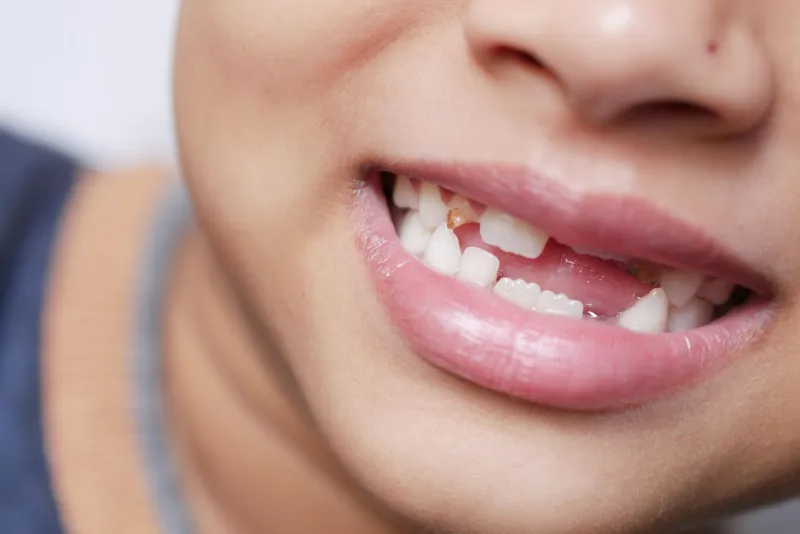
The first wobbly tooth is a proper milestone. The second is a logistics exercise. By the fourth, you are scrabbling down the back of the sofa at 10pm because the tooth fairy has forgotten to visit and the child in question has excellent hearing.
And then comes the school gate moment. Your child announces, with the confidence of a junior economist, that their friend got a fiver. Not a coin. A note. You smile, nod, and quietly wonder whether the tooth fairy needs a pay review.
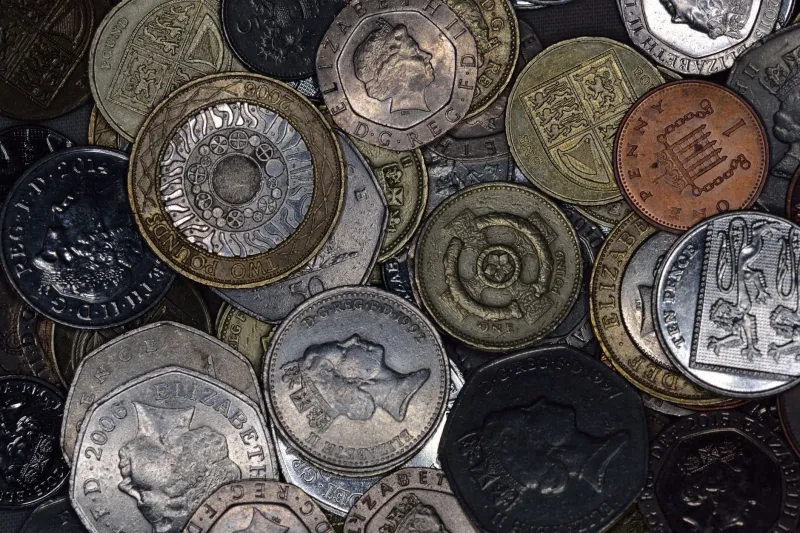
In 2026, the going rate for a tooth is less of a rate and more of a rumour. Ask around and you will hear everything from a traditional 50p to a £5 note, with a fair bit of £2 coin action in between. There is no official UK tooth fairy index, and that is probably for the best. But the pattern is familiar: first teeth get a premium, siblings compare notes, and playground bragging does more to move the market than any parent would like to admit.
What families are actually doing
From the conversations we hear at Pocket Money, most households fall into three rough camps.
The traditionalists stick to 50p or £1. The reasoning is simple: it is a token, not a transaction. The tooth is gone, the child is delighted, and nobody has to remortgage a molar.
The middle ground is the £2 coin. It feels a bit special, it is easy to find, and it sits neatly between 'mean' and 'silly money'. It is also the point at which many parents quietly settle after a few years of escalation.
The premium payers go for £5, often for a first tooth or a particularly dramatic extraction. Sometimes it is guilt. Sometimes it is a cashless household where nobody has a coin and the nearest note is a fiver. Sometimes it is simply that the child has been promised a treat and the tooth fairy is paying for it.
None of these is wrong. The trouble starts when the rate is set by accident rather than by decision. If you are not careful, the tooth fairy becomes a tiny, nocturnal inflation engine.
Why the amount keeps creeping up
Sibling comparison is the big one. Your youngest knows exactly what their older brother got for his first tooth, and they have a long memory. Fairness, to a six-year-old, means identical treatment, even if the family budget has changed since then.
Playground bragging is the second driver. Children are not reliable economic reporters. A friend's 'fiver' might have been a £2 coin and a bit of artistic licence. But once the number is out there, it sits in your child's head like a price tag.
Then there is the cashless problem. If you never carry coins, a note becomes the path of least resistance. The tooth fairy is not supposed to be a contactless payment, but at 10pm on a Tuesday, convenience wins.
And finally, there is the emotional pull. A lost tooth can be a big deal for a small person. You want it to feel special. That is lovely. It is also exactly how a 50p tradition turns into a £5 habit.
The family tooth fairy charter
A charter sounds formal. In practice, it is a five-minute conversation and a note on the fridge. The point is to decide the rate before the tooth is under the pillow, not after.
Set one standard rate. Pick an amount you are happy to repeat for every ordinary tooth. It might be £1, £2 or 50p. The number matters less than the consistency. If your child knows the rate, the mystery shifts from 'how much will I get?' to 'when will it happen?' — which is a much cheaper question.
Decide whether the first tooth is different. Many families pay more for the first tooth and then settle down. That is fine, as long as you say so. 'The first tooth is a special one-off' is a perfectly good explanation. What you want to avoid is a first-tooth fiver followed by a second-tooth 50p and a lot of confusion.
Make a windfall rule. If the amount is larger than usual — a birthday tooth, a generous grandparent, a one-off £5 — agree in advance that some of it is for spending and some is for saving. A simple split works well: half into the money jar or kids' account, half kept for a small treat. It teaches the habit without turning the tooth fairy into a lecture.
Do not raid the note drawer at midnight. Keep a small stash of coins or a couple of low-value notes somewhere sensible. The tooth fairy should not be improvising with the emergency taxi fund.
Explain the reason, not just the rule. Children can handle 'we do £2 in this family because that is what fits our budget' far better than a vague shrug. It also gives them language for the playground: 'In our house, the tooth fairy leaves £2.' That is a complete sentence and it does not require a debate.
When your child says their friend got more
This will happen. It might happen in the car, in the queue at the supermarket, or loudly in front of the other parent.
The worst response is to panic and match the amount. That rewards the comparison and sets a new benchmark for next time. The second worst is to criticise the other family. Different households have different budgets and different traditions, and your child does not need a commentary on either.
Try something calm and boring: 'Different families do different things. In our family, the tooth fairy leaves £2.' Then stop. You do not owe a full economic briefing. If they push, you can add: 'If you want to save up for something bigger, we can look at your jar together.' That moves the conversation from comparison to planning.
If the friend really did get a fiver, that is fine. It is not a verdict on your parenting or your budget. It is just another family's choice.
The point of the pillow
The tooth fairy is a small, sweet tradition. It is not a competitive sport. A clear family rate, a simple saving rule and a calm answer to the playground report are enough to keep it that way in 2026.
And if you forget one night? A note saying the tooth fairy was running late is cheaper than a guilt-driven fiver. Trust us.